Paediatric First Aid Courses

First aid training in paediatrics focuses on equipping individuals, particularly caregivers and healthcare professionals, with the knowledge and skills to respond effectively to medical emergencies involving infants and children. This type of training covers a range of topics that are critical for ensuring the safety and well-being of young patients.

Prices starting from:

£95

10% discount on yearly refresher courses.


Who Should Take Paediatric First Aid Training?

  • Parents and Caregivers: To be prepared for emergencies that might occur at home or during activities.
  • Teachers and School Staff: To ensure the safety of students while in their care.
  • Childcare Providers: Mandatory in many regions for licensing and certification.
  • Healthcare Professionals: Particularly those specializing in paediatrics, emergency medicine, or family care.
  • Sports Coaches and Youth Leaders: To handle potential injuries during physical activities.

Course Details

  • Standard Course: Typically lasts 12 hours, spread over two days.
  • Locations: I can attend work venues and home settings within the Berkshire, Buckinghamshire and London areas.
  • Participants: Minimum of 4 participants.

Why take a Paediatric First Aid Course?

Taking a paediatric first aid course is an essential step for anyone responsible for the care and safety of children. It ensures that you can respond effectively to common childhood emergencies and potentially save lives.
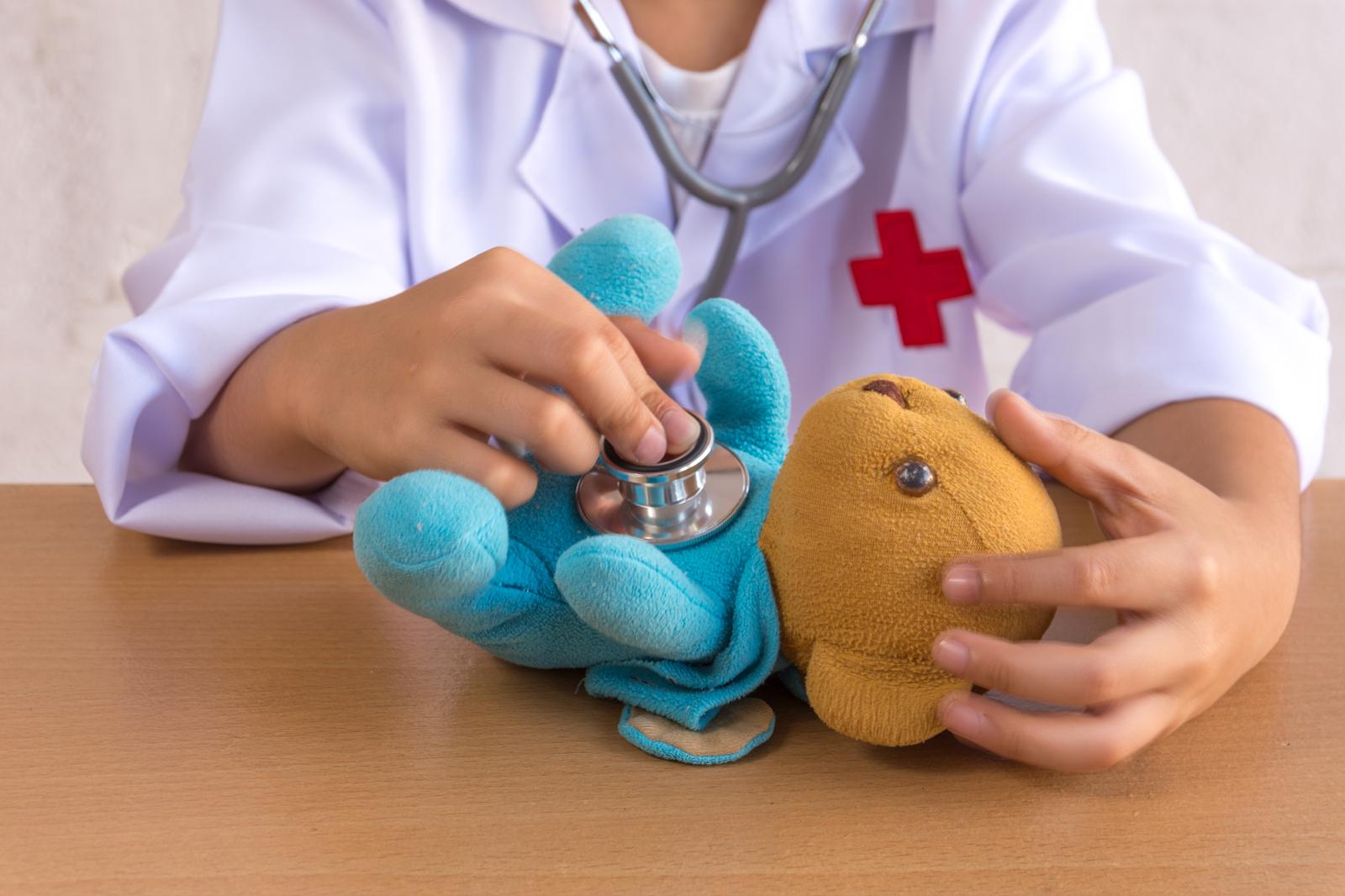

A child dressed up as a doctor holding a Stethoscope to a teddy bear's chest.

Key Areas Covered in Paediatric First Aid Training

CPR (Cardiopulmonary Resuscitation) for Infants and Children
  • Techniques for performing CPR on infants (under 1 year) and children (1 to 8 years).
  • Understanding the differences in CPR techniques between adults, children, and infants.
  • Proper use of Automated External Defibrillators (AEDs) on children.
Choking Relief
  • How to recognize signs of choking in infants and children.
  • Techniques for clearing airway obstructions, including back blows and chest thrusts for infants and abdominal thrusts for children.
Managing Wounds and Bleeding
  • Proper methods for cleaning, dressing, and bandaging wounds.
  • Techniques to control bleeding, including the use of pressure and tourniquets when necessary.
Treating Burns and Scalds
  • First aid for thermal, electrical, and chemical burns.
  • Recognizing the severity of burns and when to seek emergency care.
Handling Fractures and Sprains
  • How to stabilize fractures and sprains using splints and other methods.
  • Recognizing the signs of more severe injuries that require immediate medical attention.
Allergic Reactions and Anaphylaxis
  • Identifying symptoms of allergic reactions in children.
  • Proper use of epinephrine auto-injectors (e.g., EpiPen) for severe allergic reactions.
Poisoning
  • Recognizing symptoms of poisoning from ingestion, inhalation, or skin contact.
  • Steps to take if a child is suspected of ingesting poison.
Fever Management and Seizures
  • Understanding how to manage a high fever in children.
  • Recognizing and responding to febrile seizures.
Asthma and Respiratory Emergencies
  • Managing asthma attacks and other respiratory difficulties in children.
  • Proper use of inhalers and nebulizers.